

















Self-Cleaning Evaporator
Self-Cleaning Evaporator | Fouling-Free Evaporation for Tough Effluents
What Shachi Offers
How the Self-Cleaning Works
Benefits We Promise
Constant capacity
with far fewer shutdowns for cleaning
Lower OPEX
on chemicals, jet-cleaning, manpower, and lost production
Compact plant layout
because you don’t oversize to “hide” fouling
Better energy performance
sustained U-values reduce steam/power per kg evaporated
Sustainable operations
with longer runs and fewer waste-clean cycles
Key Features
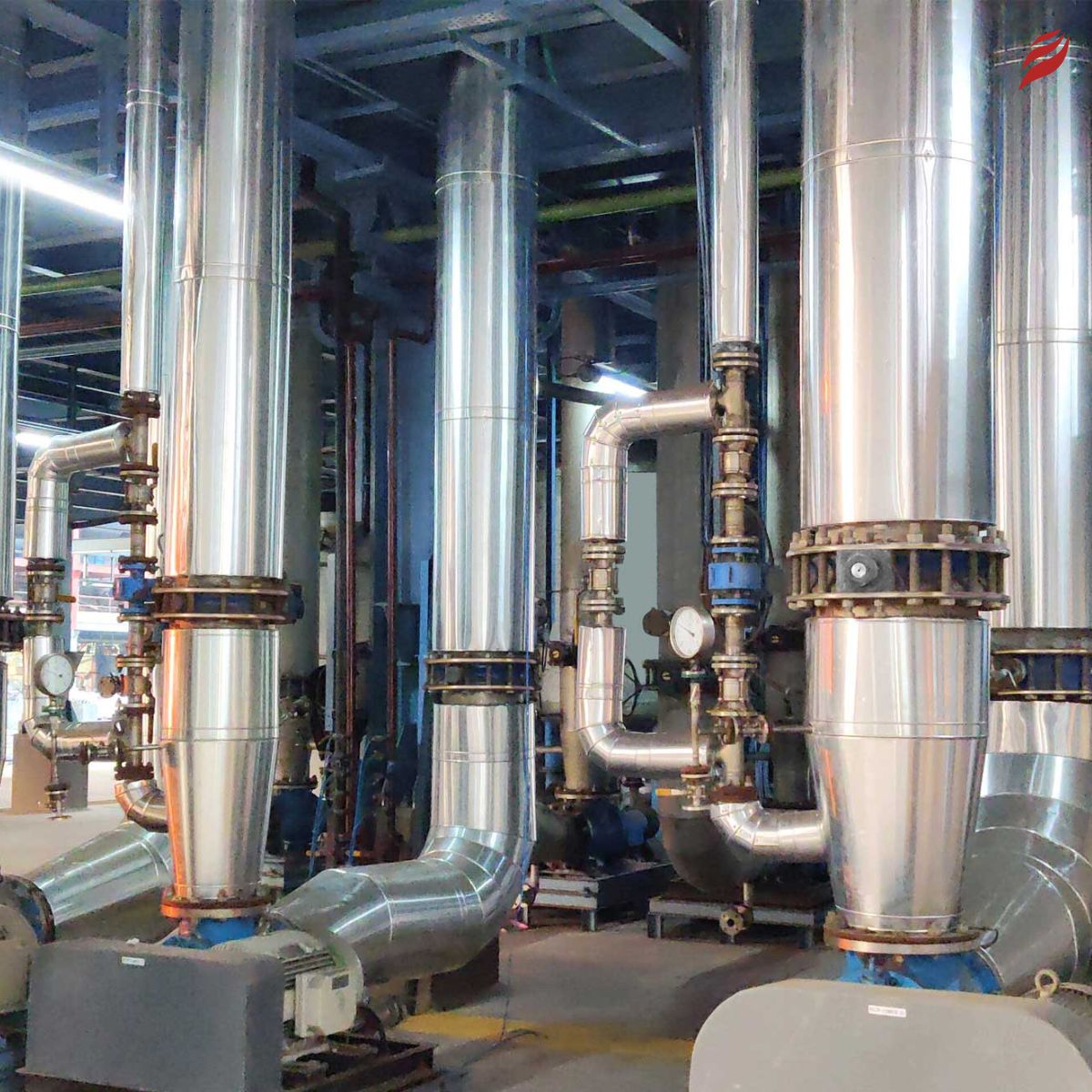
- Self-cleaning tube bundle with fluidized cleaning media and engineered headers
- Compatible with MEE/TVR/MVR apply self-cleaning to select effects or the whole train
- Stable heat transfer even on severe scalants (CaSO₄, organics, dyes, etc.)
- Automation & safety: PLC/SCADA control for flow/level/temp and particle circulation; standard interlocks
- Proven in the field with local references and service support
Not happy with scaling, high steam bills, or frequent cleaning?
Applications We Serve
ETP/ZLD lines in textiles, dyes/intermediates, specialty chemicals, pharma waste, handles variable feeds and scalants
Process concentration where fouling has limited conventional forced-circulation or falling-film designs
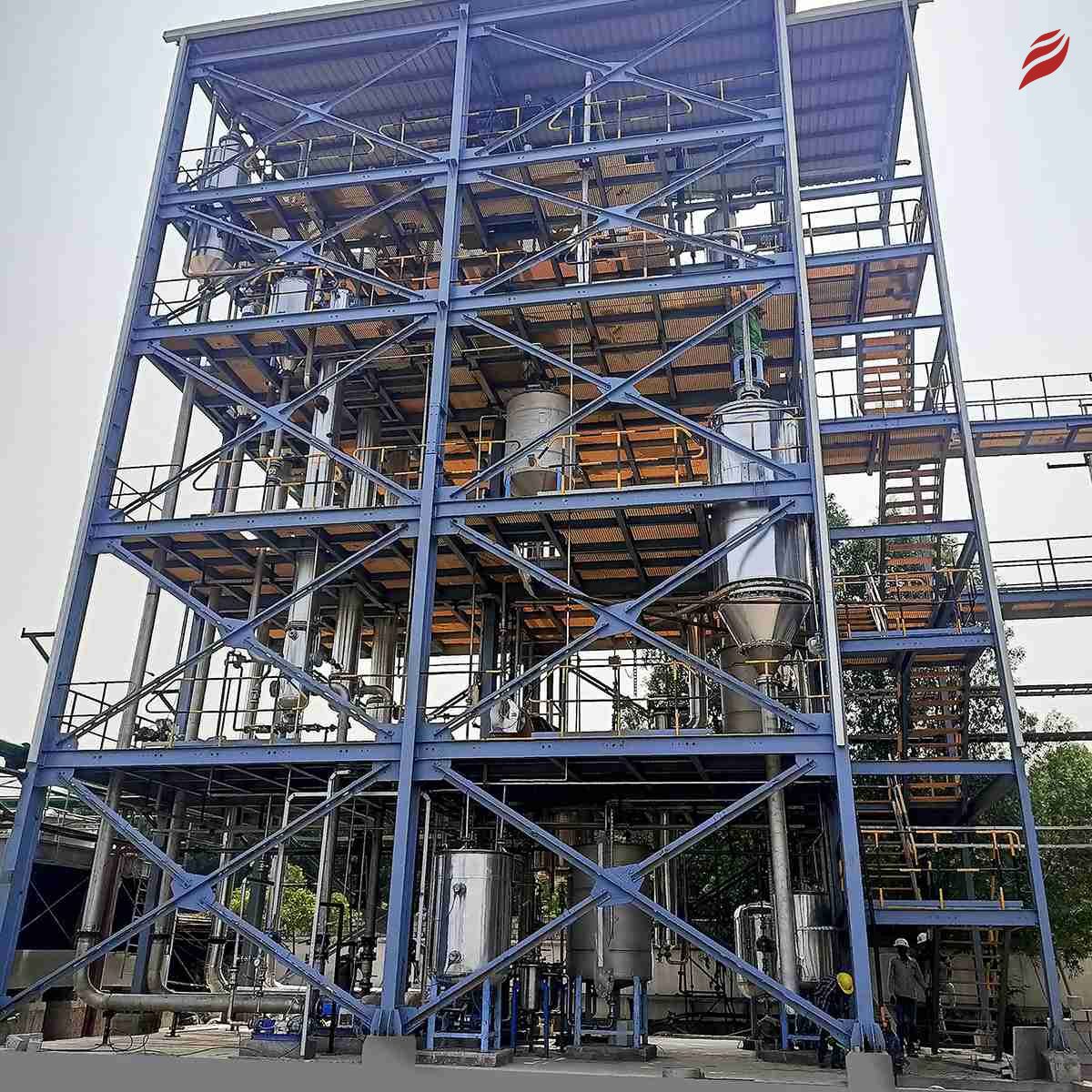
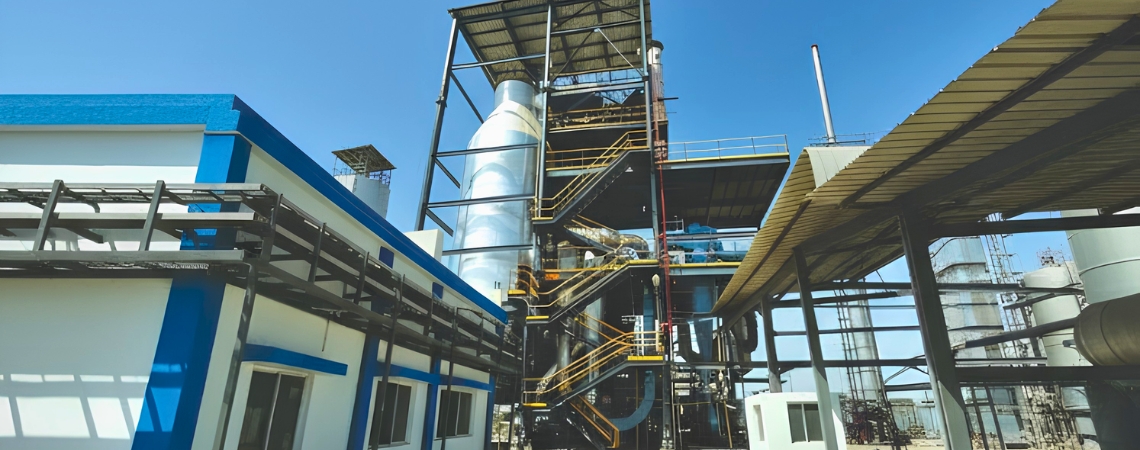
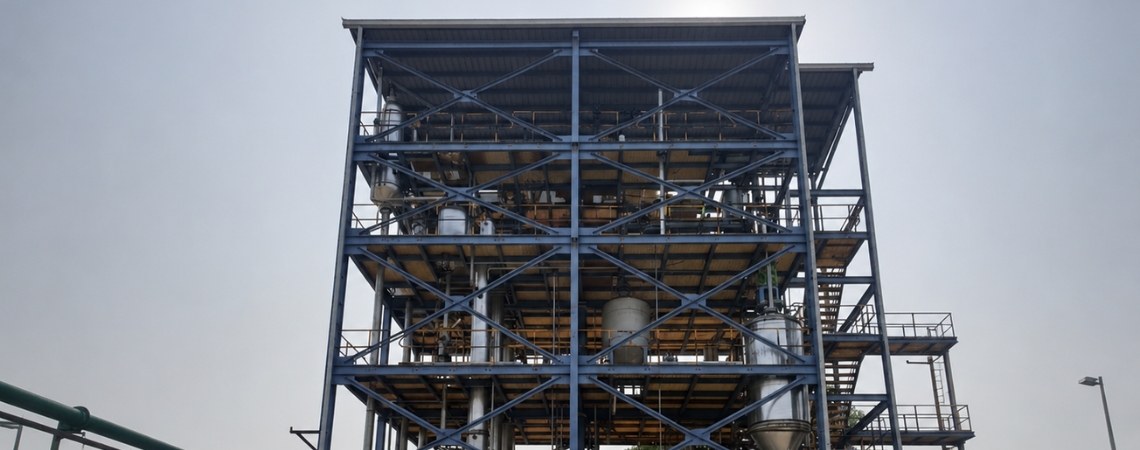
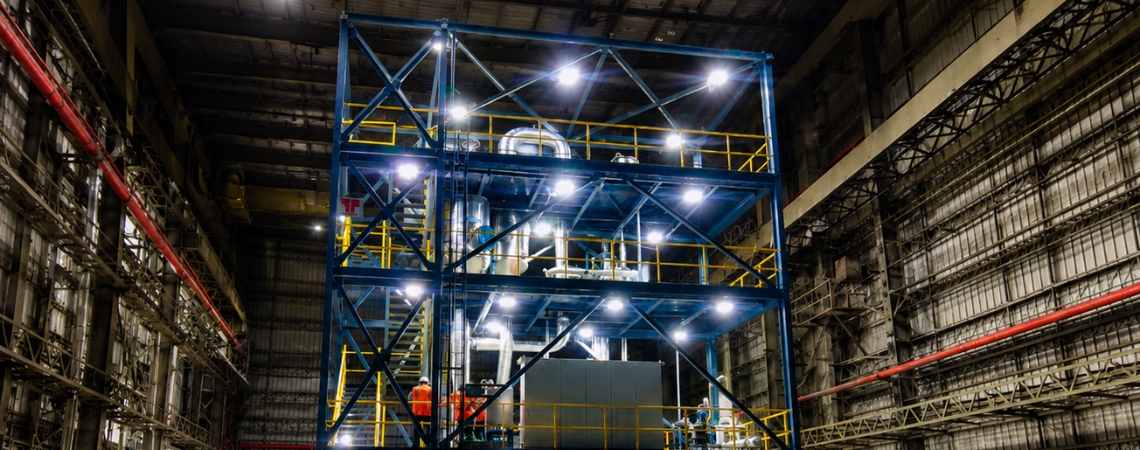
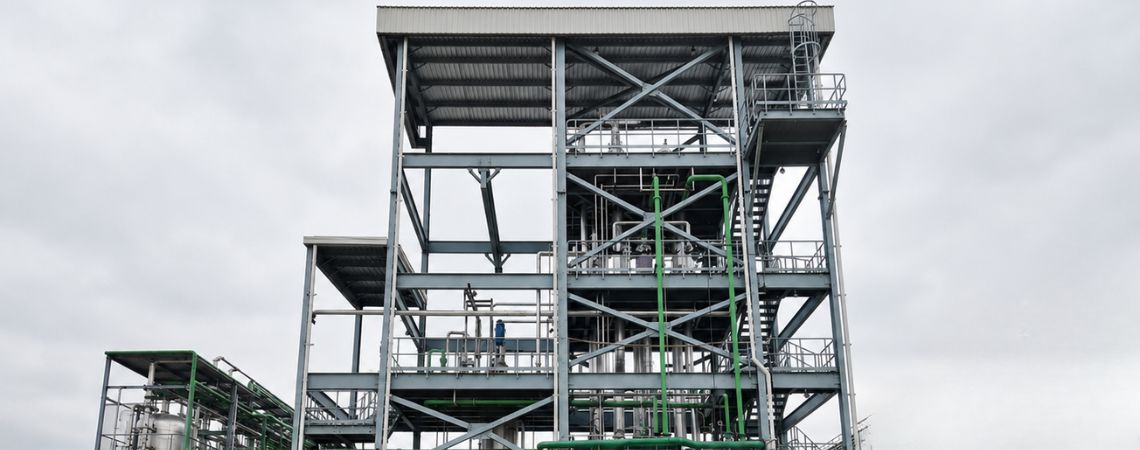
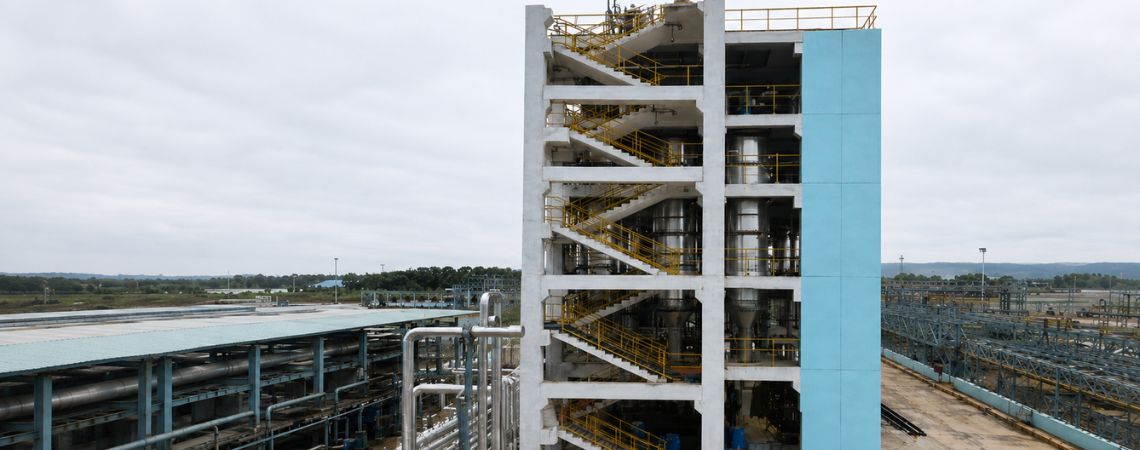
Recent Project


Recent Project


Need help choosing the right configuration?
FAQs - Self-Cleaning Evaporators
A self-cleaning design circulates solid cleaning particles through the tube bundle so deposits are removed continuously, keeping tubes clean and U-values high. Standard units rely on periodic chemical/jet cleaning after fouling has already cut capacity.
The particles are sized and material-matched to provide mild scouring (not abrasive milling). They remain in a controlled circuit within the effect and are kept out of the product/condensate streams by design.
Many plants equip the most fouling-prone effect(s) with self-cleaning and keep others conventional; others adopt self-cleaning throughout. The choice depends on fouling propensity, solids profile, and energy integration (TVR/MVR).
Yes. MVR + self-cleaning sustains high transfer coefficients at low primary energy, improving stability and operating cost on difficult effluents.
This is a core use case: continuous scouring controls scale growth so you can hold capacity and extend run lengths between maintenance stops.
Because you don’t oversize to compensate for fouling, systems are more compact; lifecycle cost drops due to less cleaning infrastructure and downtime.
Complete feed analysis (salts/organics), viscosity vs. temperature, fouling history, inlet/target solids, temperature limits, desired energy scheme (MEE/TVR/MVR), utilities, and available space. With this, we size the effects, tube bundle, and particle circuit.
Blog
Spray drying is an energy-intensive process. Every plant depends heavily on
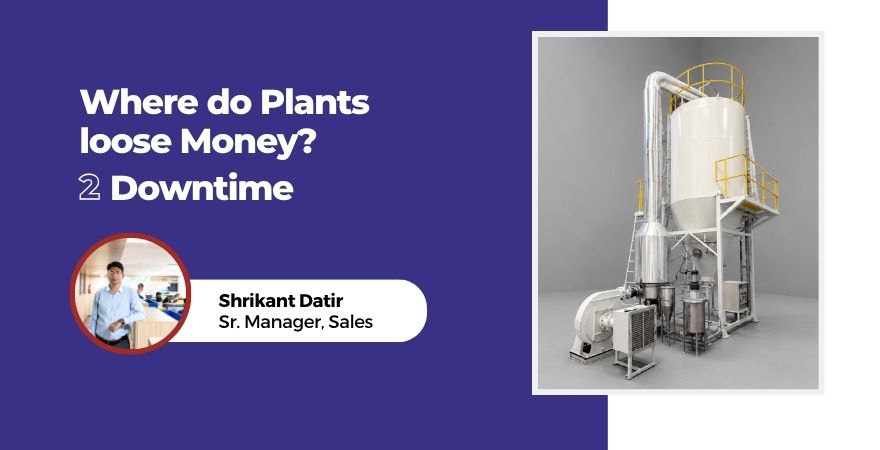
Downtime is one of the biggest hidden costs in spray
Nutraceuticals are made for human consumption. They include health supplements,