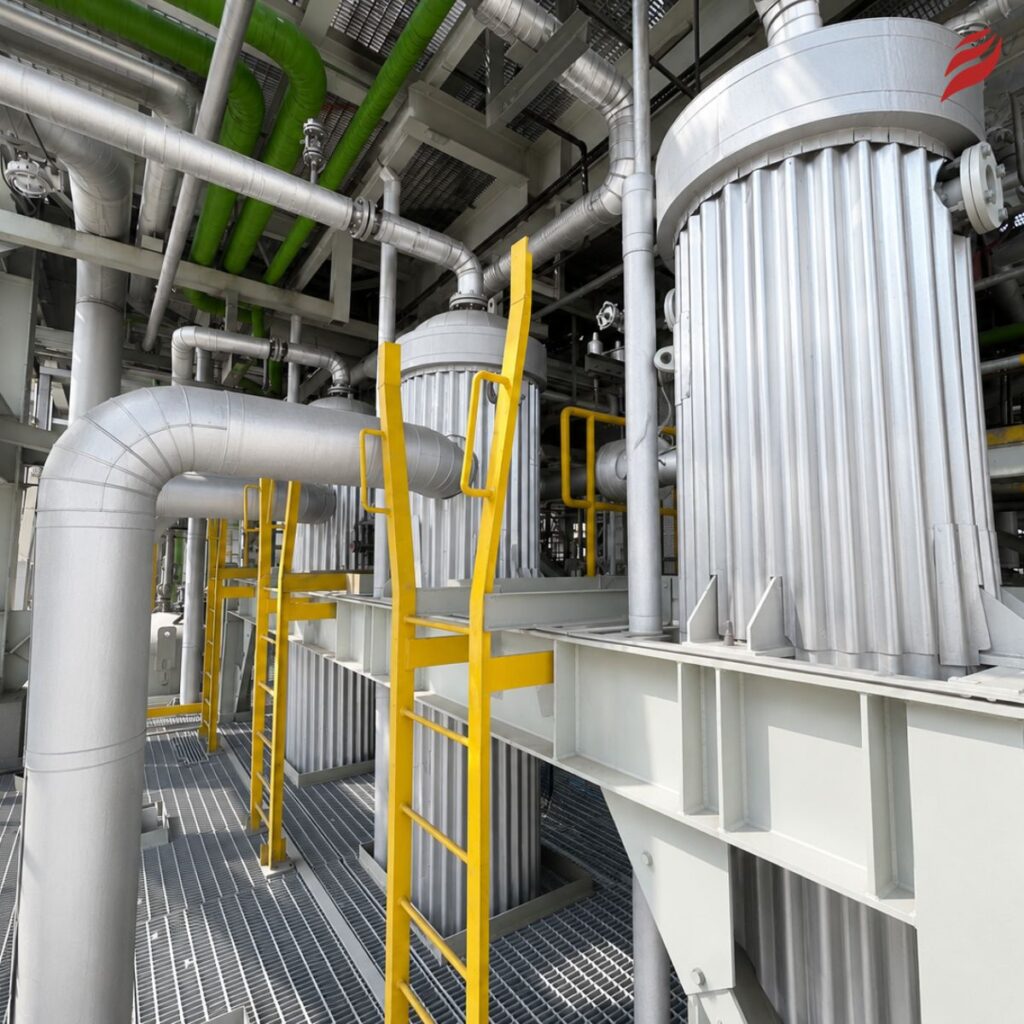
























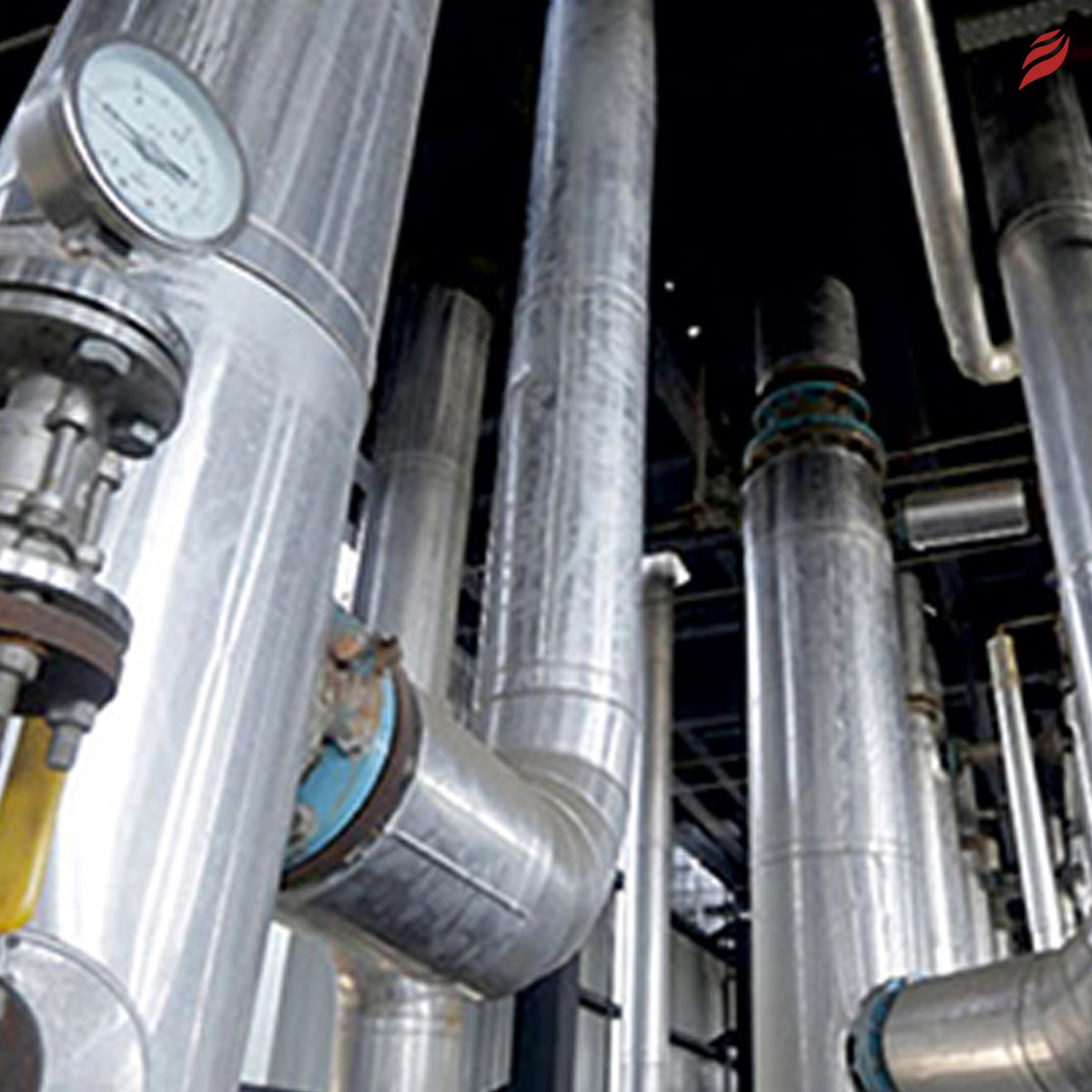
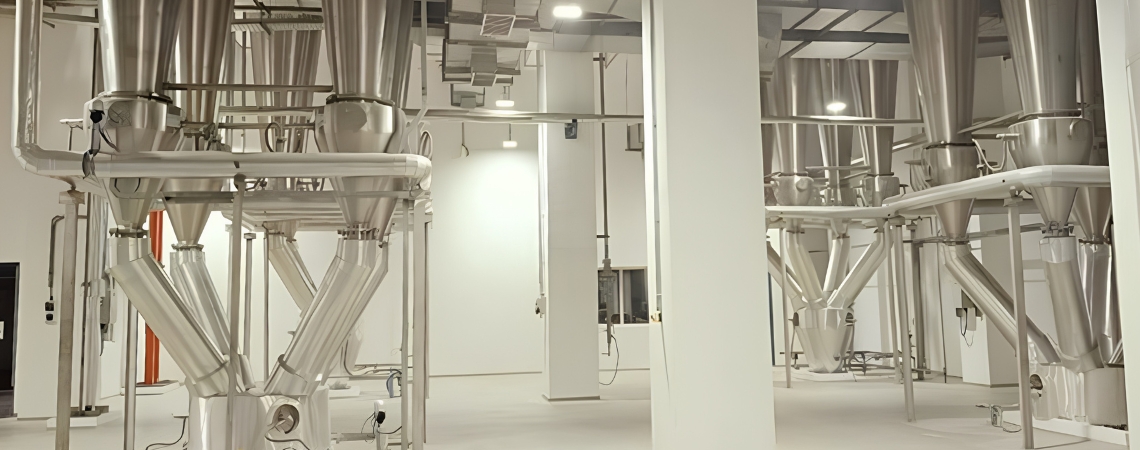
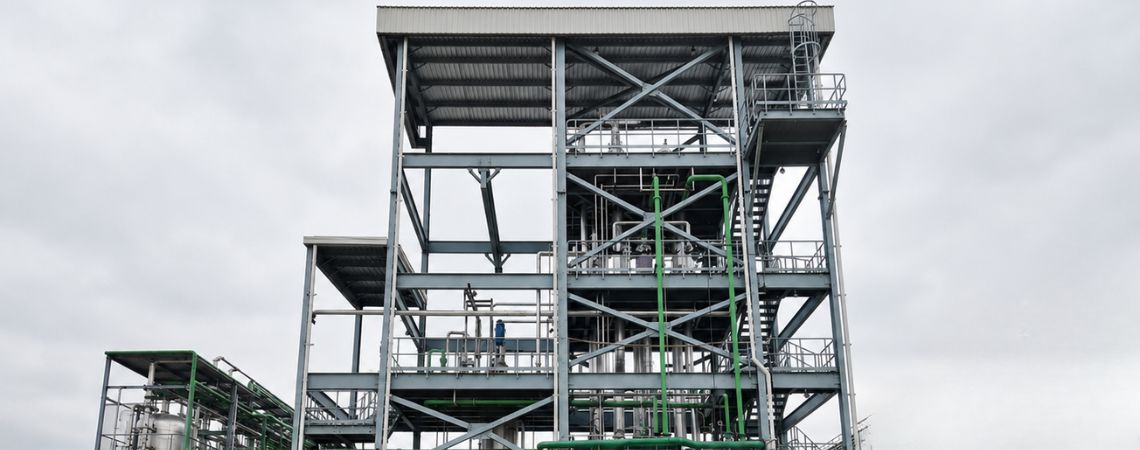

Falling Film Evaporator
Falling Film Evaporator | Gentle, High-Rate Evaporation for Heat-Sensitive Liquids
Falling film Evaporators, Built for Consistent Concentration and Low OPEX
Advantages of Falling Film Evaporator
Gentle on product
short residence time and low ∆T reduce colour change and degradation
High throughput
excellent U-values from true thin-film operation
Energy efficient
seamless pairing with multi-effect, TVR, or MVR schemes
Quick start/stop & low hold-up
less product in system, faster changeovers
Hygienic by design
smooth product paths, CIP-ready construction
Key Features
- Precision feed distribution at the top tube sheet with re-distributors for uniform wetting
- Optimized tube bundle (length, pitch, diameter) to match viscosity and fouling tendency
- High-efficiency vapour head with demisters/entrainment separators for clean condensable recovery
- Integrated preheaters/recirculation to maintain wetting at turndown and protect product quality
- Automation & safety: PLC/SCADA, recipe control, temperature/level/pressure interlocks
- Materials of construction matched to chemistry: SS316L, duplex/super-duplex, 904L, titanium
Not happy with foaming, hot-spots, or uneven distribution?
Falling Film Evaporator Applications
Dairy and nutraceuticals
Fruit and beverage concentrates
Solvent recovery where gentle evaporation
Pharma intermediates and extracts
Low-to-moderate-viscosity chemicals
Solvent recovery where gentle evaporation
High quality are critical
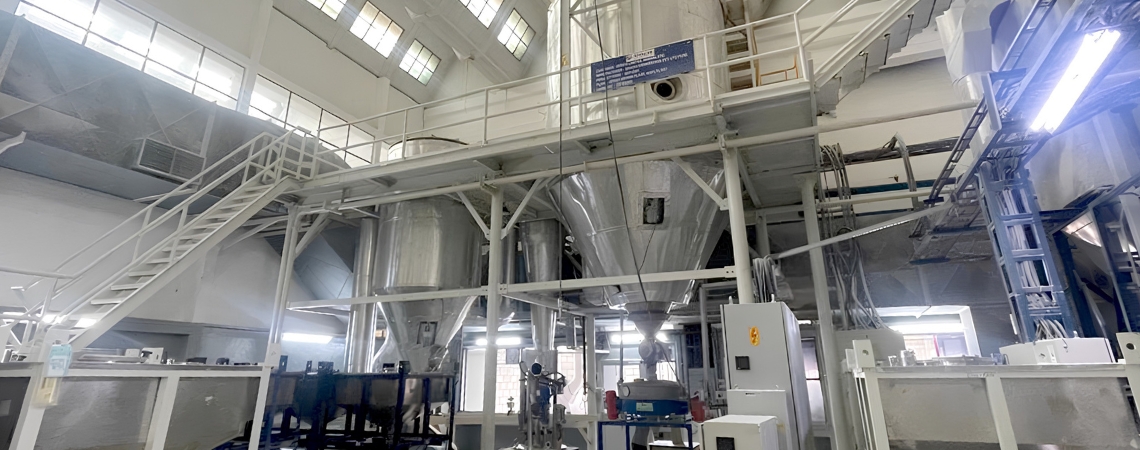
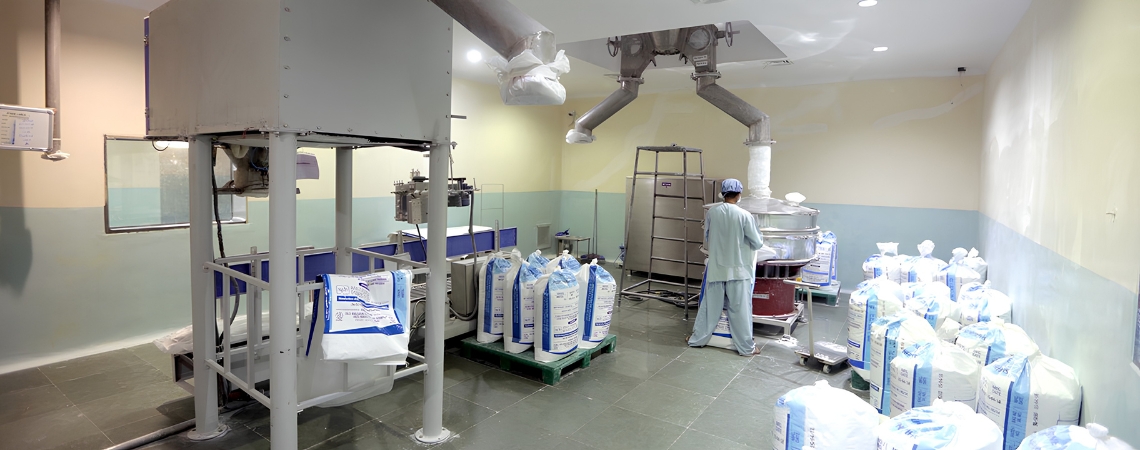
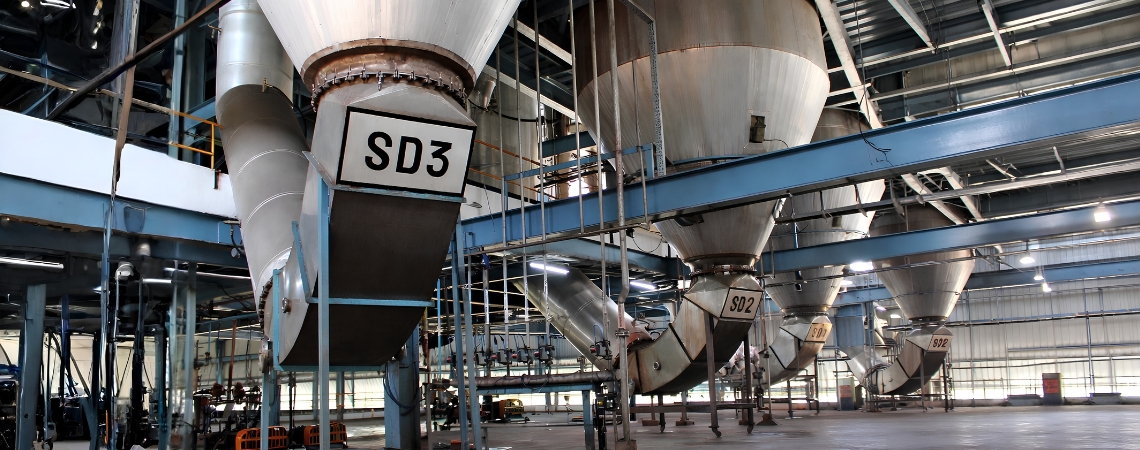
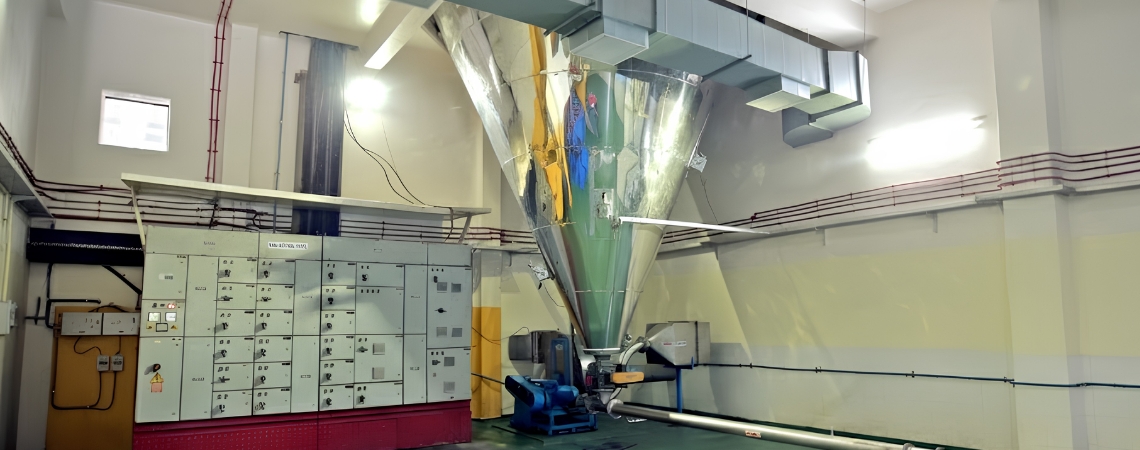
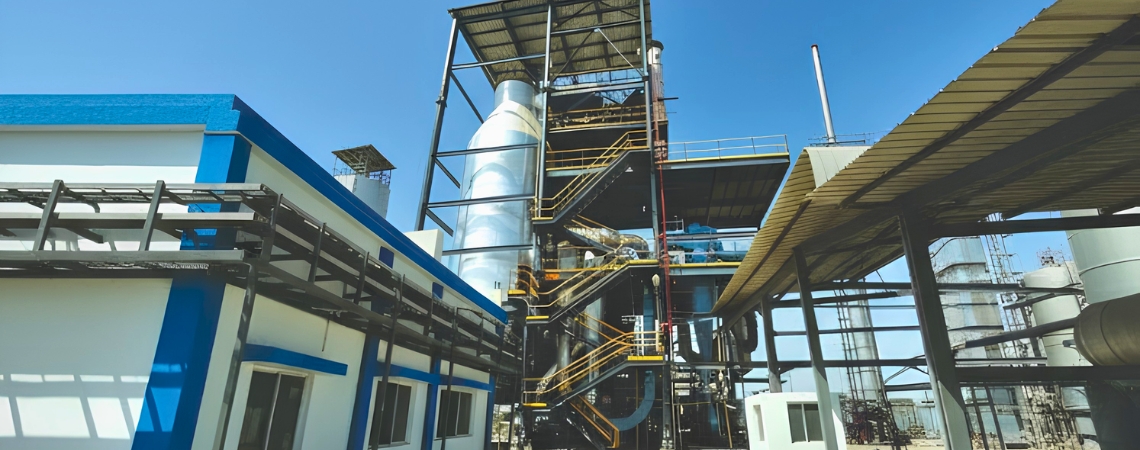
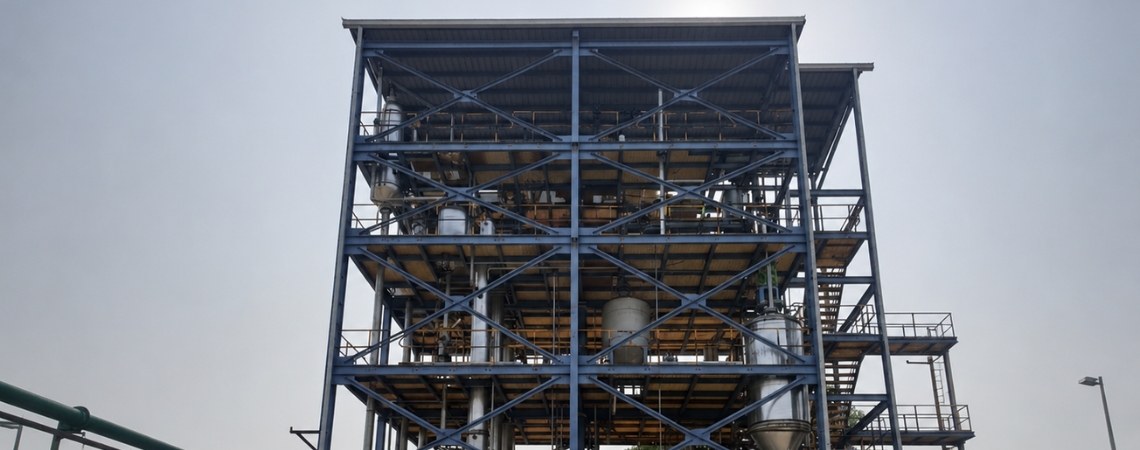
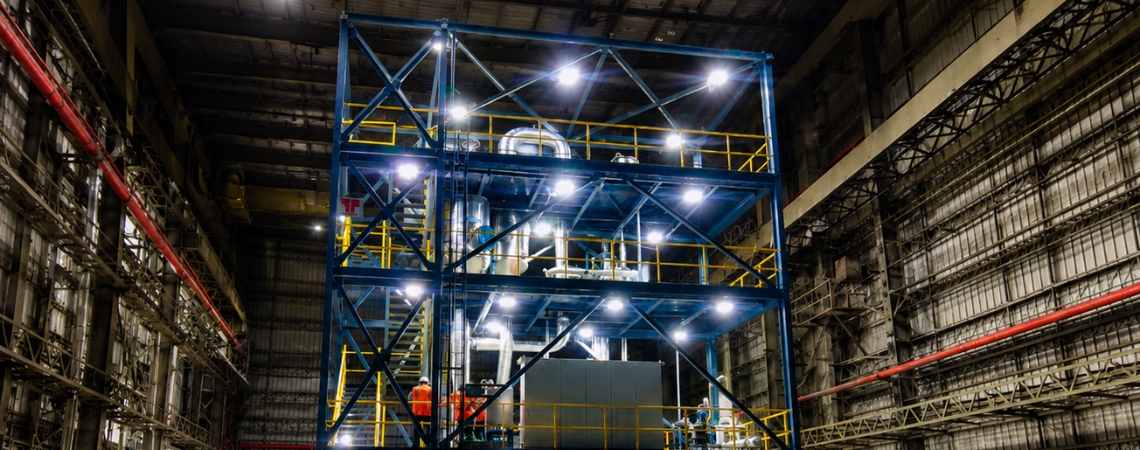
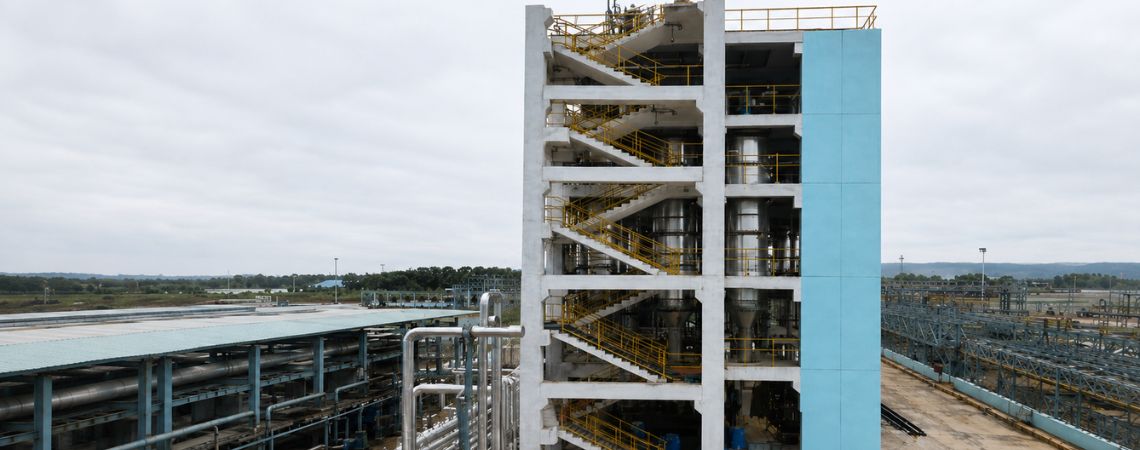
Recent Project


Recent Project


Need help selecting the right configuration?
FAQs - Falling Film Evaporators
When the feed is low to moderate viscosity, clean or mildly fouling, and heat-sensitive. Falling film offers high U-values and short residence time; forced circulation is preferred for dirty, scaling, or very viscous streams.
Via a precision top distributor (and, on longer bundles, re-distributors) that meter equal flow to each tube. Proper preheat and optional recirculation help maintain film integrity during turndown.
Yes, with the right vapour head volume, demisters, controlled ∆T, and, if needed, antifoam dosing or step-wise effect temperatures. Design keeps entrainment low and product in spec.
Falling film has a usable turndown but needs minimum wetting flow to avoid dry patches. We design recirculation and distributor geometry so the system stays stable across your operating range.
We place it where viscosity is still manageable, ladder effect temperatures for steam economy, and add TVR or MVR to reuse vapour energy, cutting fresh steam while holding quality.
Systems are CIP-ready with spray devices and drain/vent points. Smooth surfaces and accessible vapour heads reduce manual cleaning. Correct operation also minimizes wall deposition.
Feed chemistry and viscosity vs temperature, inlet/target solids, allowable product temperature, fouling history, throughput, utilities (steam/power/cooling), required hygiene class, and footprint/height.
Blog
Spray drying is an energy-intensive process. Every plant depends heavily on
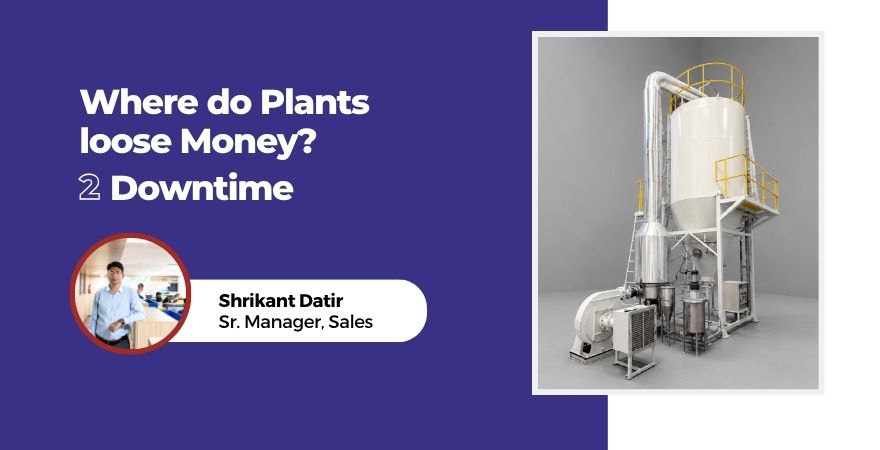
Downtime is one of the biggest hidden costs in spray
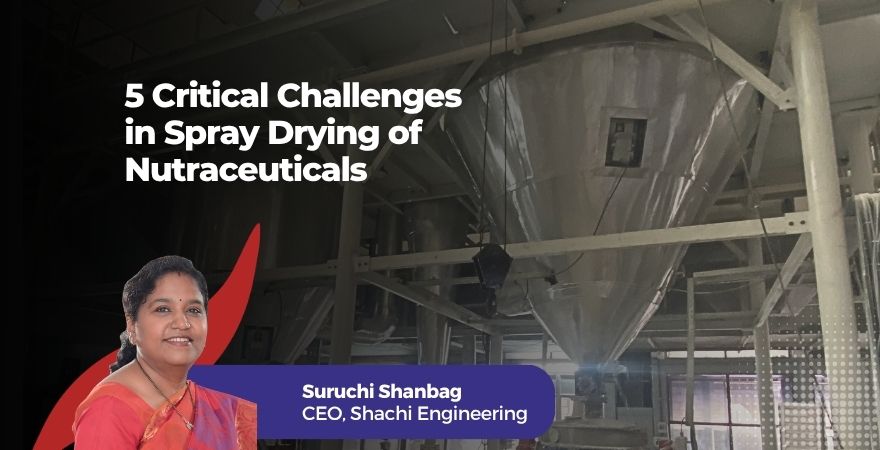
Nutraceuticals are made for human consumption. They include health supplements,