




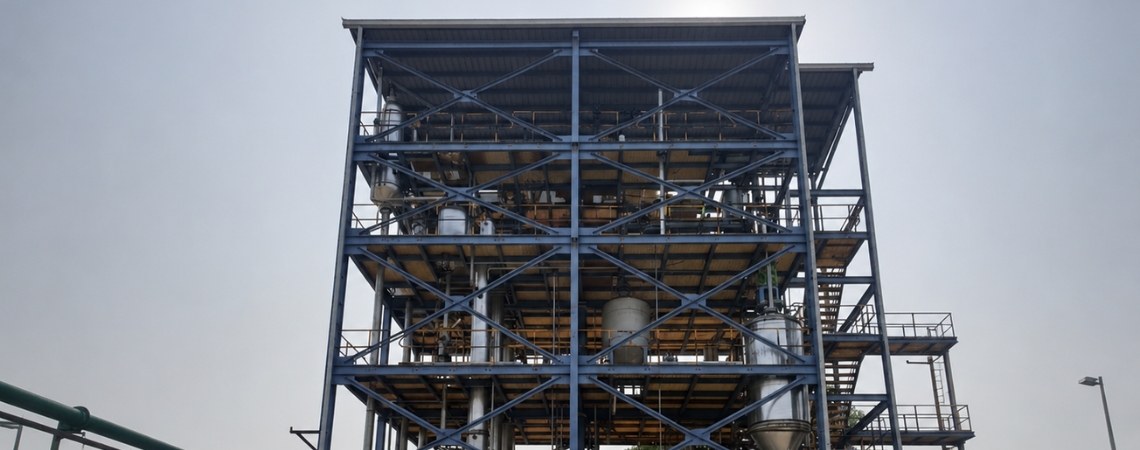
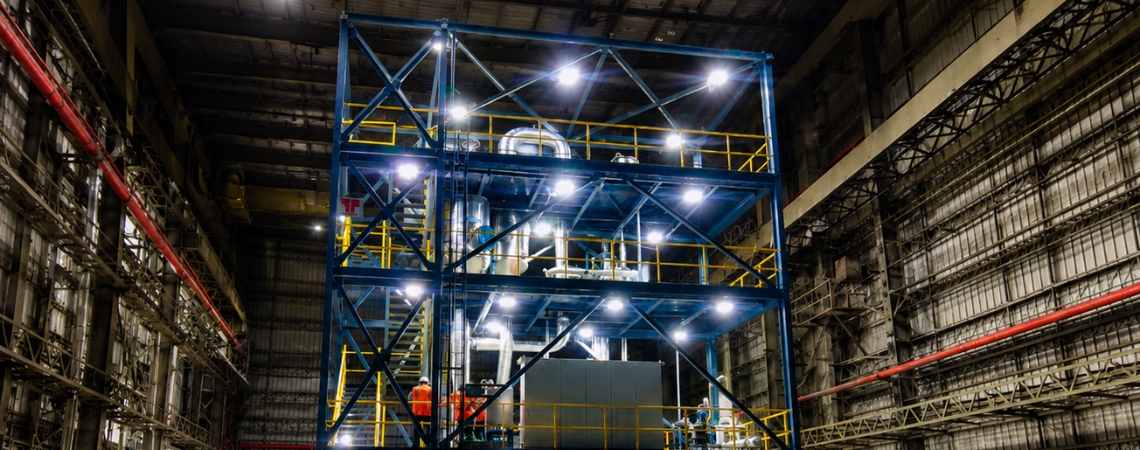
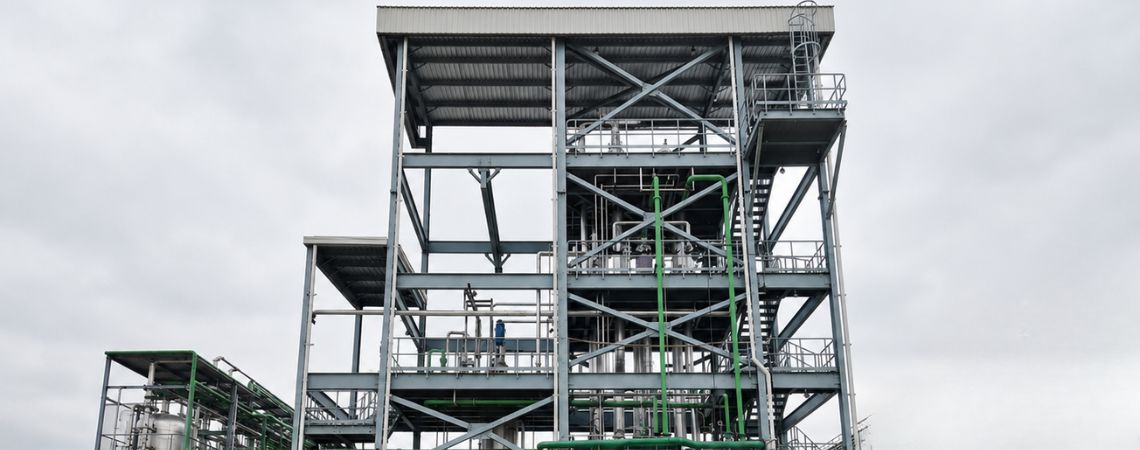
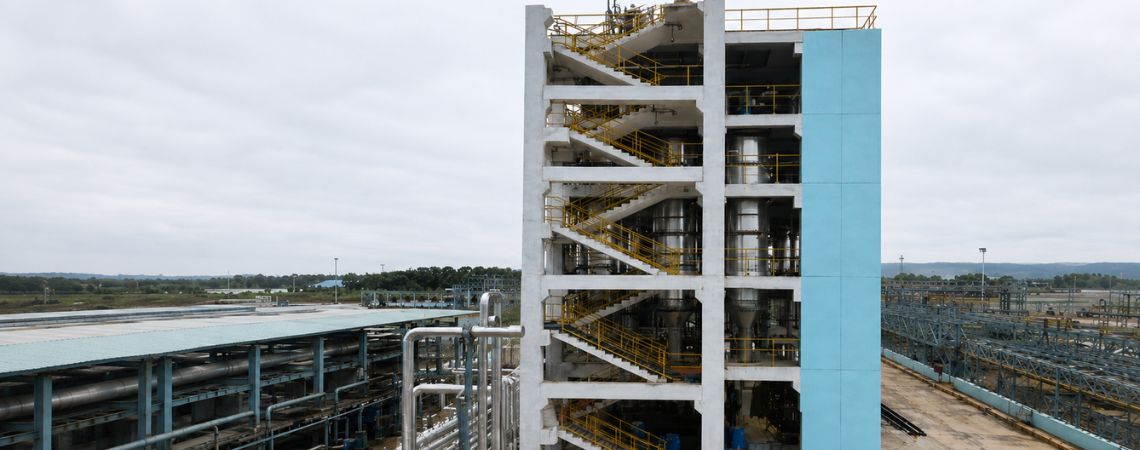

Zero Liquid Discharge Plants
ZLD Plant Manufacturer | Zero Liquid Discharge Systems for Compliance & Water Reuse
ZLD Technology for Faster Payback and Reliable Compliance
Advantages of Zero Liquid Discharge Plant
High water recovery
to reduce fresh-water dependence and tanker costs
Guaranteed compliance
with auditable quality logs and alarmed interlocks
Optimized OPEX
via steam economy, MVR integration, and heat recovery
Scale & foul control
by pairing the right body type, dosing, and velocities
Compact, modular layouts
that fit brownfield sites and future expansion
Lifecycle support
pilot studies, commissioning, training, remote monitoring
Key Features
- Smart pretreatment: equalization, pH/ORP control, DAF/clarification, filters, organics/solvent stripping where needed
- Membrane block: UF for SDI control, RO/NF for high rejection, MBR for biological loads when applicable
- Evaporation suite: falling-film for clean streams; forced-circulation/self-cleaning for viscous or scaling feeds; MVR for lowest steam use
- Solids finishing: ATFD or crystallizer with centrifuge/filter press; salt washing and drying options
- Heat & condensate recovery: preheaters, closed-loop cooling, condensate polishing for reuse
- Automation & safety: PLC/SCADA, recipe control, historian, CIP, interlocks for level/pressure/temperature, solvent-safe design where applicable
- Materials of construction: SS316L to duplex/904L/Ti/Hastelloy based on chloride, solvent, or corrosion risk
Need help selecting the right configuration?
Zero Liquid Discharge Plant Applications
Textiles & dyes
Specialty chemicals
Pharma & intermediates
Food & beverage
Electronics
Metals & surface treatment
Mixed-industry CETPs aiming for near-zero discharge and high water reuse
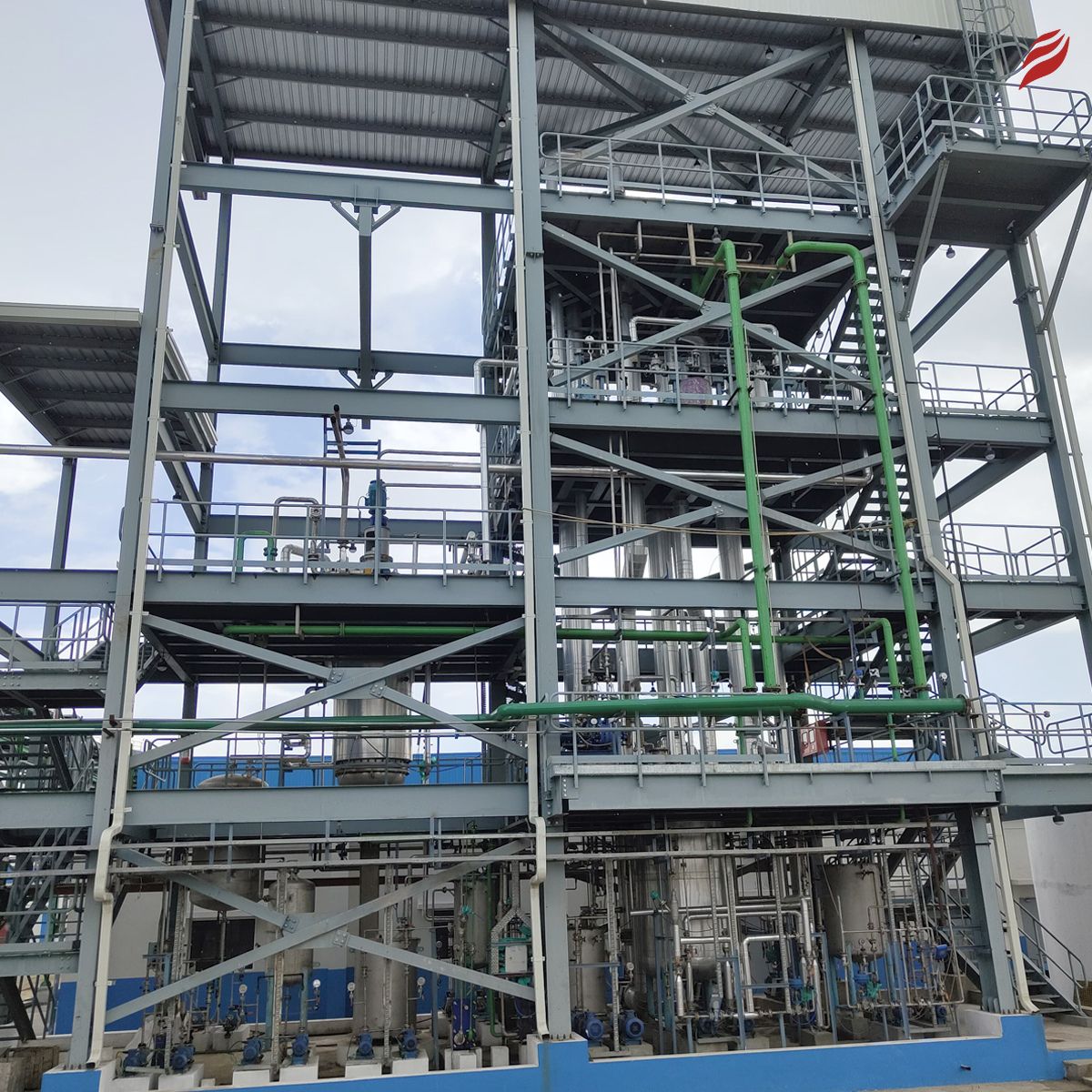
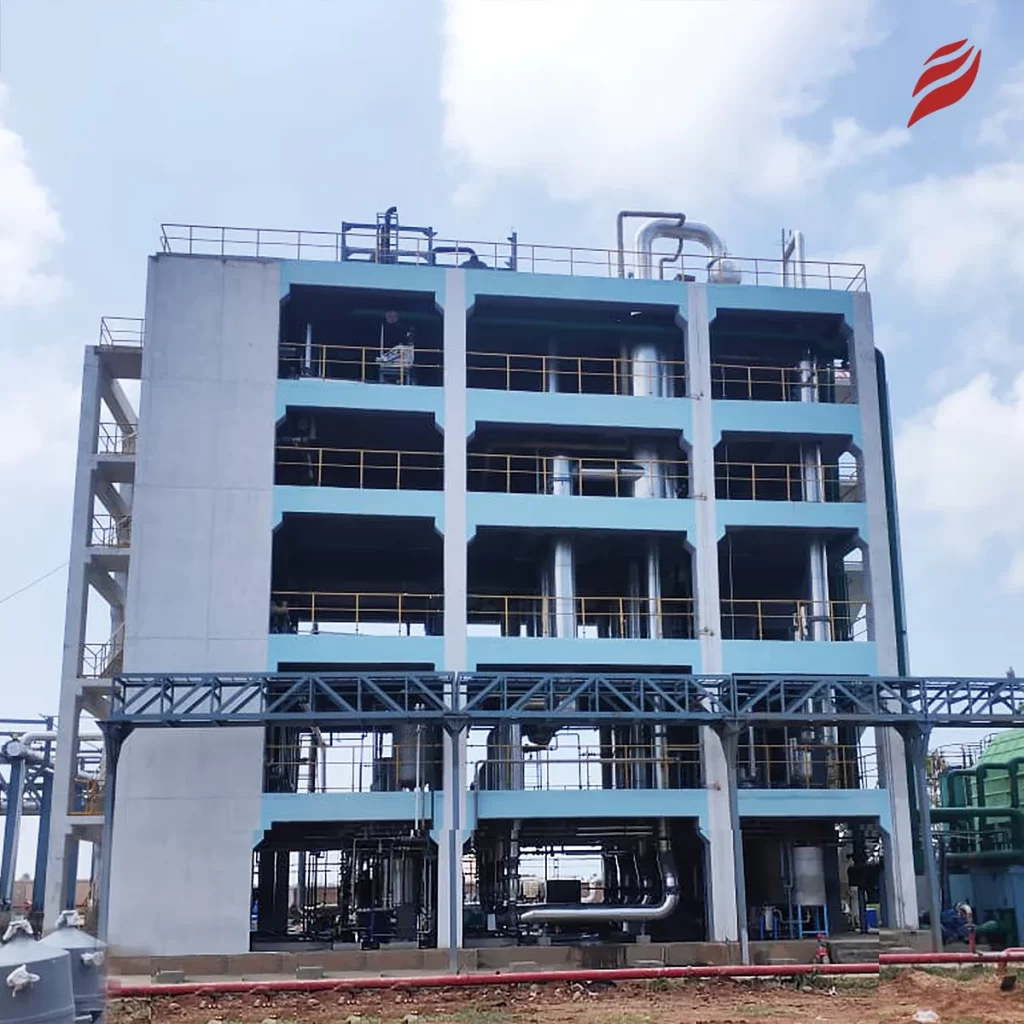
Recent Project


Need help scoping your ZLD?
FAQs - ZLD Plants
A ZLD plant recovers water and turns the rest into solid salts, zero liquid leaves your site. Conventional ETPs discharge treated water to sewer/surface bodies; ZLD eliminates that discharge by adding membranes, evaporation, and crystallization.
Typical total recovery ranges from 80–95% depending on chemistry (TDS/TSS/organics/solvents). We confirm via treatability and pilot data, then size each block to your target.
By removing loads early (good pretreatment), using staged membranes to cut evaporator duty, selecting MVR or multi-effect schemes for steam economy, and recovering heat from condensate/exhaust. Correct hydraulics and anti-scalant dosing keep cleaning and downtime low.
It depends on viscosity and fouling: falling film for clean/low-viscosity; forced circulation or self-cleaning for scaling/high-solids; MVR where electricity is reliable and you want the lowest steam. Many systems mix these by effect.
Crystallized salts are dewatered (centrifuge/filter press) and routed to approved disposal or, where feasible, salt washing/recovery. Sludges from pretreatment are handled via the same dewatering line with separate containers and documentation.
Online sensors (pH, conductivity, turbidity, TOC where applicable), flow/level logging, and SCADA historian provide traceable records. Interlocks prevent off-spec reuse, and auto-divert tanks isolate excursions.
Composite/segregated feed analysis (TDS, hardness, alkalinity, silica, COD/BOD, oils/solvents, metals), daily/seasonal load, recovery and reuse targets, allowable temperatures, utilities (power/steam/cooling), footprint/height, and any site compliance constraints.
Blog
Spray drying is an energy-intensive process. Every plant depends heavily on
Downtime is one of the biggest hidden costs in spray
Nutraceuticals are made for human consumption. They include health supplements,