




























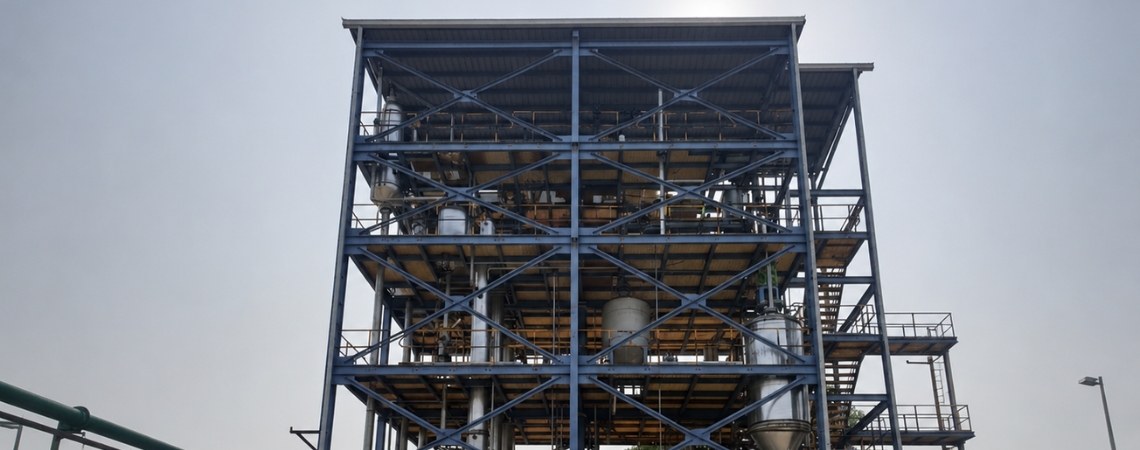
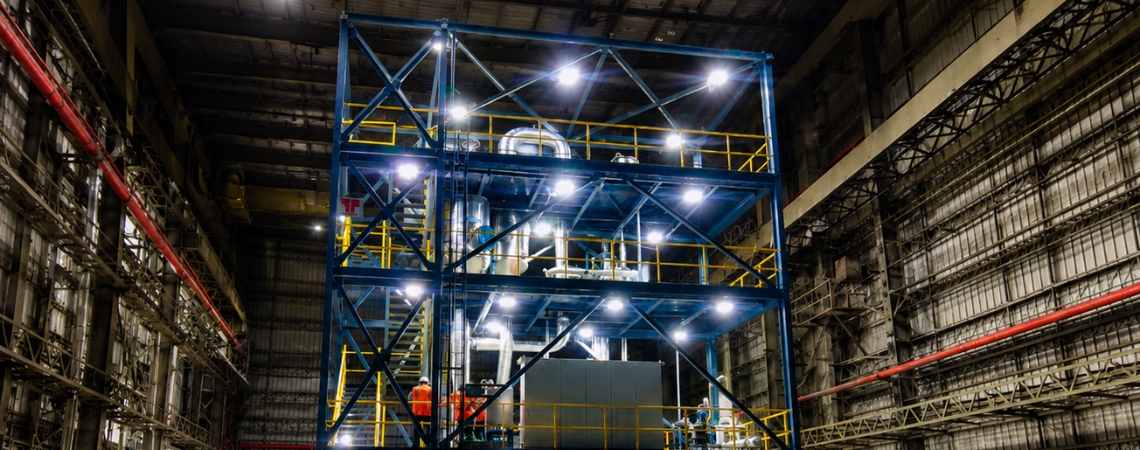
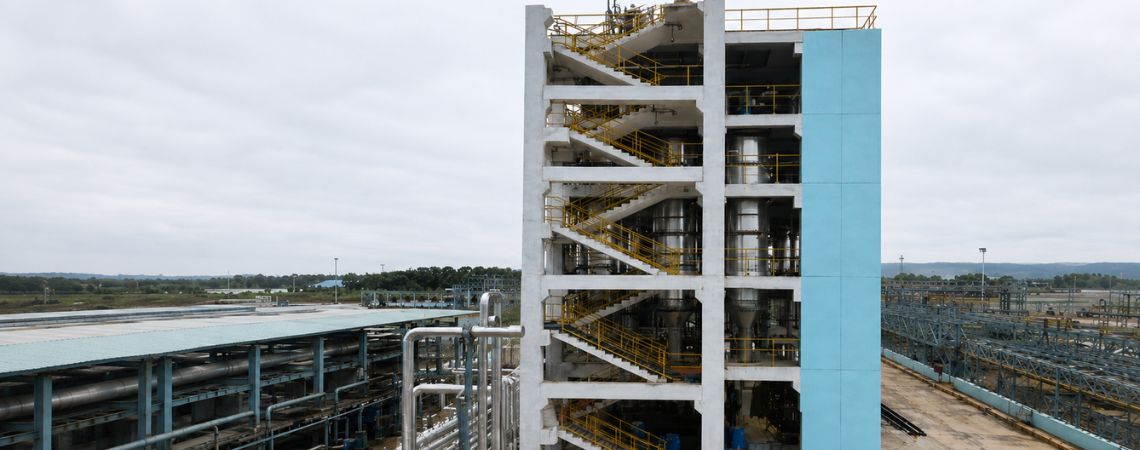
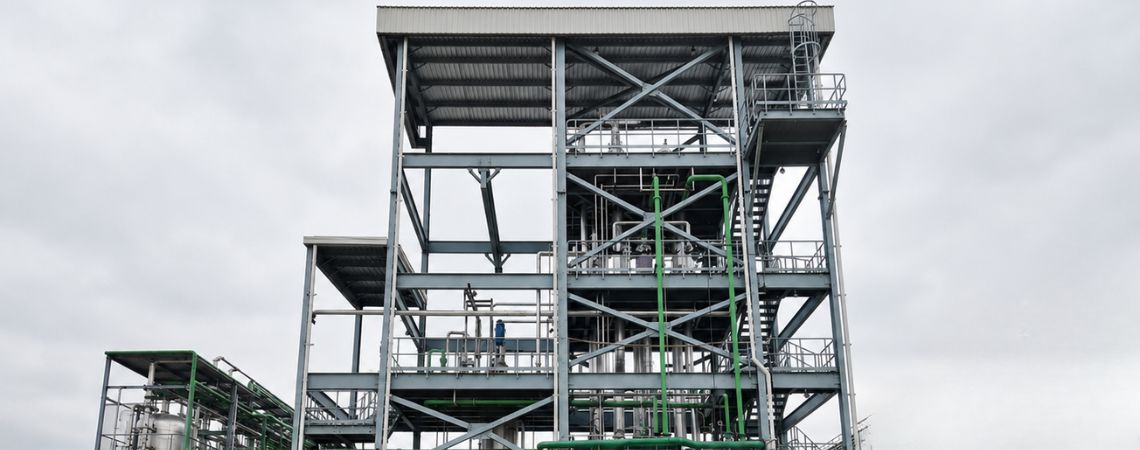

Forced Circulation Evaporator
Forced Circulation Evaporator | Forced Circulation Evaporator working principle | High-Solids, High-Viscosity, Fouling-Resistant
Forced Circulation Evaporator Systems Built for Difficult Streams
Advantages of Forced Circulation Evaporator
Handles difficult feeds
viscous, high-solids, crystal-forming, and scaling streams
Stable U-values
with high tube-side velocities and non-boiling heat transfer in the exchanger
Lower downtime
via fouling-aware design and easy cleaning access (CIP-ready)
Flexible duty
concentration, mother-liquor conditioning, and FC-crystallizer service
Seamless integration
into multi-effect and MVR schemes for strong steam economy
Key Features
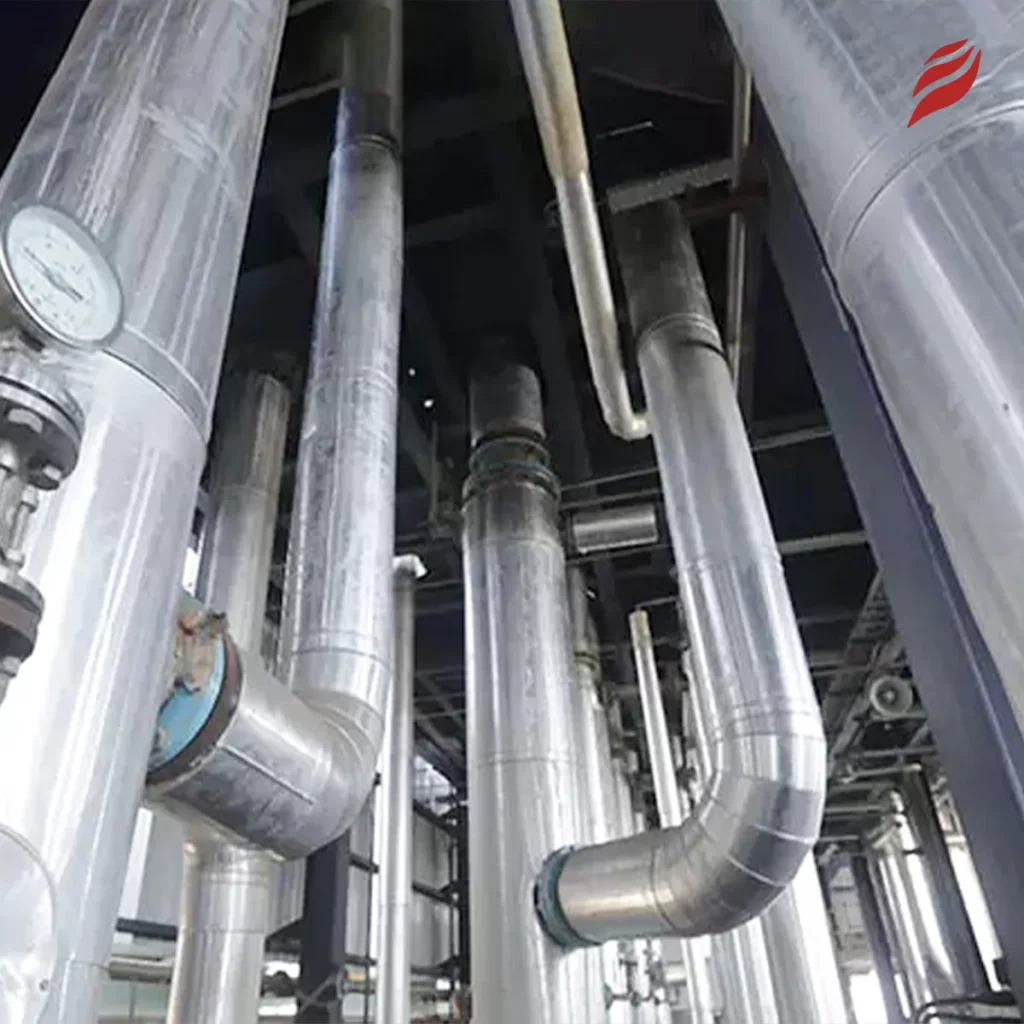
- External shell-and-tube heat exchanger with high-flow recirculation pump
- Boiling shifted to flash/separator to limit deposition in the exchanger
- Optimized hydraulics (recirculation ratio, tube velocity, pressure drop) to mitigate scaling
- Robust metallurgy options: SS316L, duplex/super-duplex, 904L, titanium, based on chloride/corrosion risks
- Automation & safety: PLC/SCADA, level/temperature/pressure interlocks, antisurge and low-flow protection
- Maintenance-friendly: straight-through access, removable bundles, CIP nozzles, isolation valves
Not happy with scaling, viscosity limits, or unstable concentration?
Forced Circulation Evaporator Applications
ETP/ZLD: RO reject, high-TDS brines, dye/intermediates, pharma/chemical effluents
Process: salts and inorganic chemicals, caustic lyes, resin/polymers, sugar/derivatives, gelatin/starches
Crystal duty: FC-evaporator with downstream or integrated crystallization for product recovery
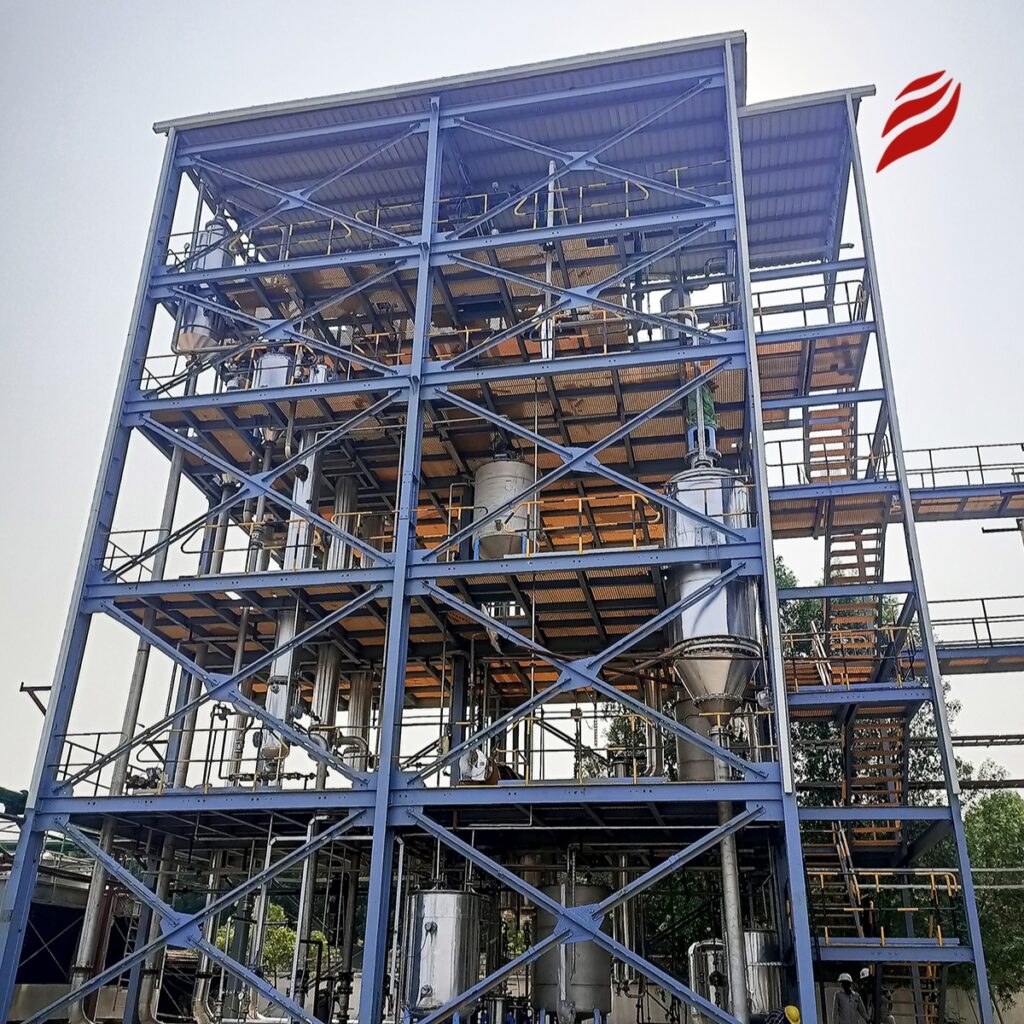
Recent Project


Recent Project


Need help selecting the right configuration?
FAQs - Forced Circulation Evaporators
When feeds are viscous, dirty, or prone to scaling/crystallization. FC suppresses tube-side boiling, keeping deposits down and throughput steady where falling-film would foul or stall.
Liquid is pumped at high velocity through the exchanger; boiling occurs in the flash/separator, not in the tubes. Turbulent flow limits boundary-layer growth and crystal adhesion on heat-transfer surfaces.
Yes. With appropriate supersaturation control and residence time, FC duty can be paired with a crystallizer (or configured as an FC-crystallizer) to grow and recover salts while maintaining liquor quality.
Feed chemistry (salts/organics), viscosity vs. temperature, inlet/target solids, allowable temperatures, fouling history, required throughput, utilities (steam/power/cooling), and materials-of-construction preferences
We position FC where viscosity and fouling peak (often later effects), set the temperature ladder for steam economy, and match recirculation hydraulics to maintain stability under varying loads.
Systems are CIP-ready with strategically placed spray nozzles, drain/vent points, and isolation. Straight-tube or U-tube bundles and removable heads simplify mechanical cleaning when needed.
SS316L for general service; duplex/super-duplex or 904L for chloride-rich feeds; titanium where corrosion or temperature limits demand it. Selection depends on your detailed feed analysis and lifecycle-cost goals.
Blog
Spray drying is an energy-intensive process. Every plant depends heavily on
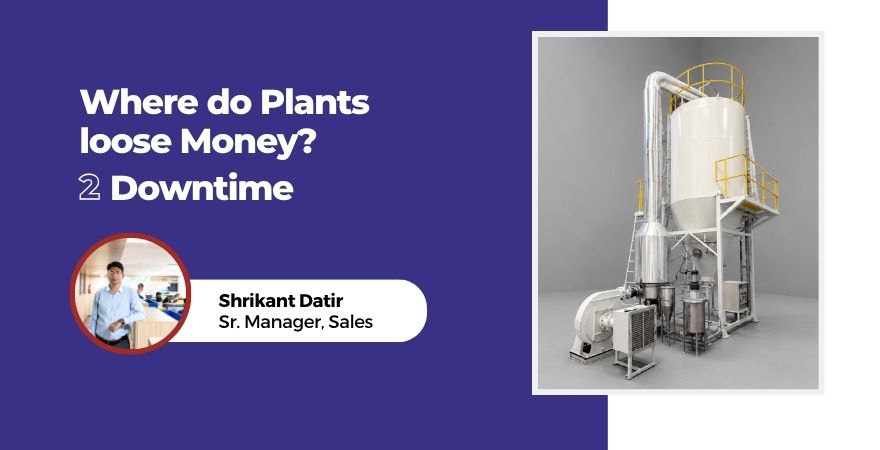
Downtime is one of the biggest hidden costs in spray
Nutraceuticals are made for human consumption. They include health supplements,