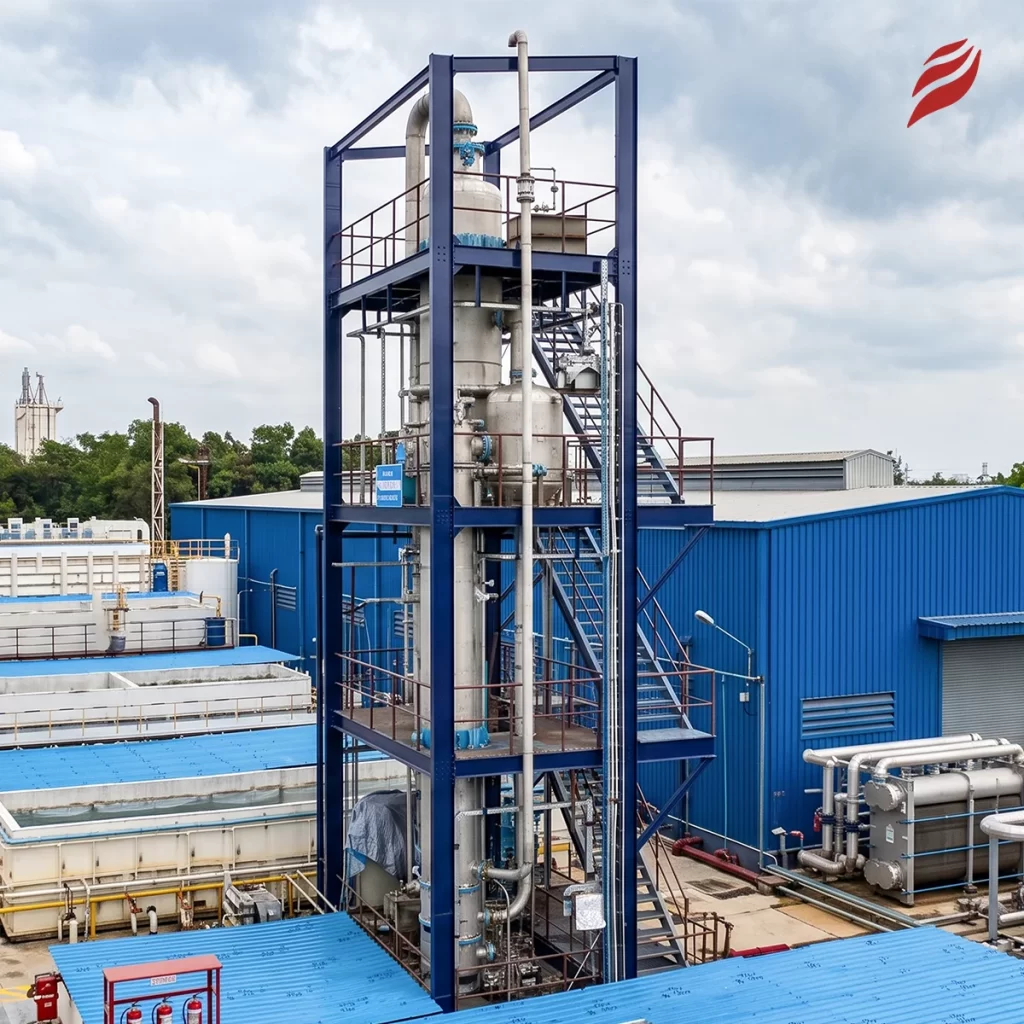






















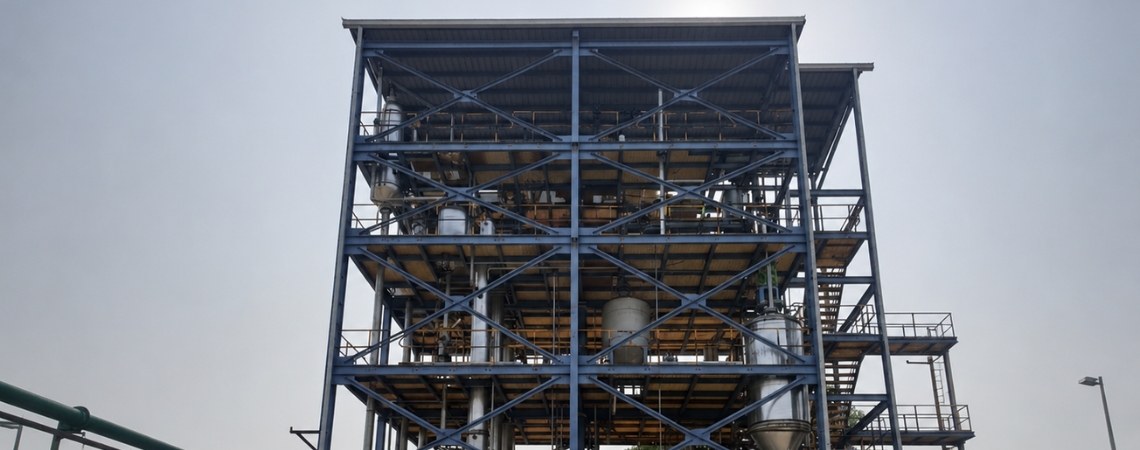
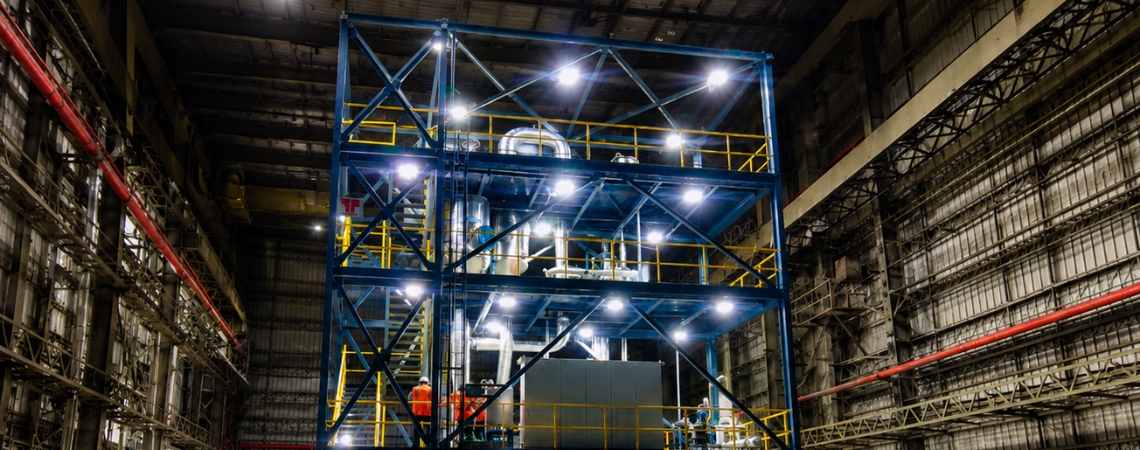
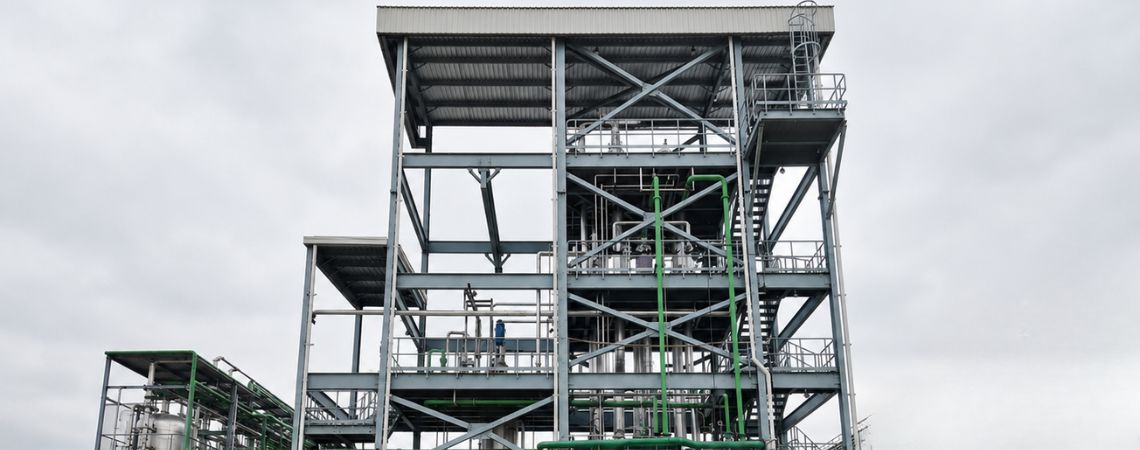
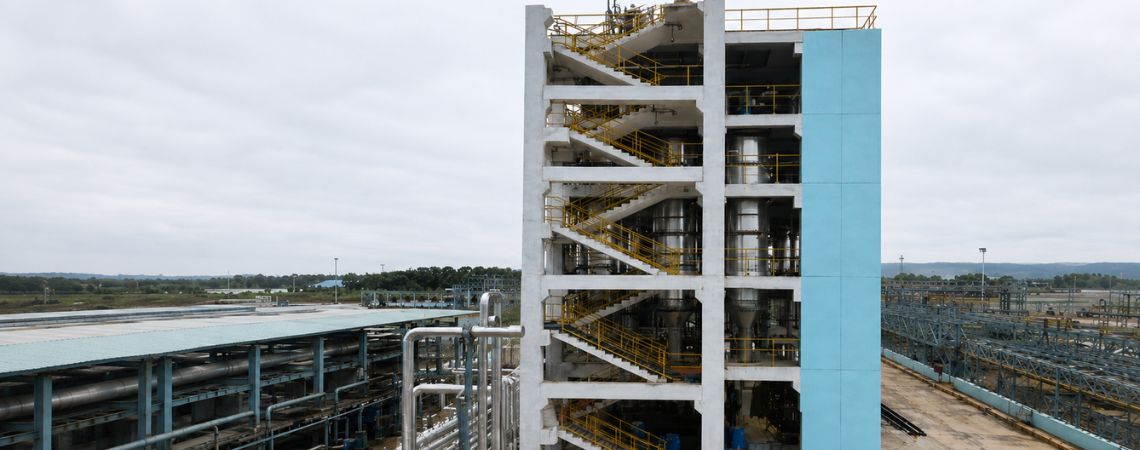

MVR Evaporator
Mechanical Vapor Recompression Evaporator Manufacturer in India (MVR)
Concentrate liquids and effluents with much lower steam consumption.
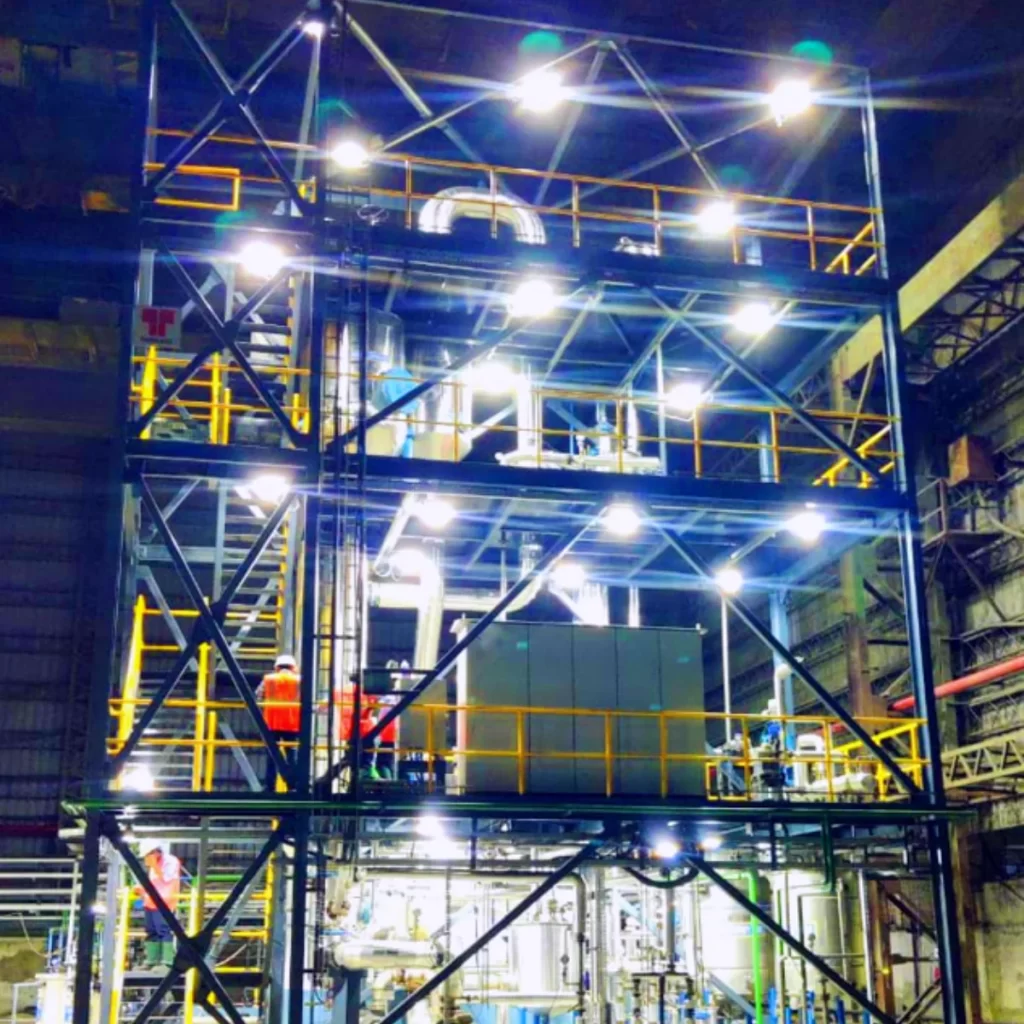
Shachi’s MVR Evaporator systems reuse the vapour generated during evaporation as the heating source for the process. This helps reduce dependency on fresh steam, lowers operating cost and makes evaporation more energy-efficient for continuous industrial operations.
Designed for chemical, pharmaceutical, food, textile and wastewater applications, Shachi MVR systems are engineered around your feed, concentration target, fouling behaviour, utility availability and plant layout.
Trusted for Critical Evaporation Applications
MVR evaporation is not only about saving steam.
It is about designing a stable system that works every day with the right compressor, heat transfer area, circulation pattern, instrumentation and process control.
Shachi brings process engineering, thermal design, automation and commissioning experience together to deliver Mechanical Vapor Recompression systems that are practical to operate and easier to integrate into new or existing plants.
Advantages of MVR Evaporator
Lower Steam Consumption
MVR reuses secondary vapour as heating media, reducing the need for continuous external steam during operation.
Lower Operating Cost
By reducing fresh steam and cooling water requirements, the system helps bring down daily evaporation cost.
Low-Temperature Evaporation
Suitable for heat-sensitive products and effluents where controlled evaporation temperature is important.
Compact & Energy-Efficient Design
A well-designed MVR system can reduce utility load and plant footprint compared to conventional evaporation systems.
Key Features of Mechanical Vapor Recompression
- Mechanical vapour recompression system designed as per vapour flow and compression requirement
- Forced circulation, falling film or self-cleaning evaporator configuration based on feed behaviour
- Energy-efficient compressor, blower or fan selection
- Heat recovery through condensate preheating
- Suitable for high-volume continuous evaporation duties
- PLC / SCADA-based automation and process monitoring
Need technical clarity for your evaporation system?
MVR Evaporator Applications
Industrial Effluent Concentration
Chemical Processing
Pharmaceutical Effluent
Food & Ingredient Processing
Herbal Extracts
Textile & Dye Effluent
ZLD Systems
Recent Project


Not happy with your current spray-drying setup?
FAQs – MVR Evaporator
What is an MVR Evaporator?
An MVR Evaporator is an evaporation system that compresses the vapour generated during evaporation and reuses it as heating media. This reduces fresh steam consumption and improves energy efficiency.
How is MVR different from a conventional evaporator?
A conventional evaporator depends heavily on external steam. An MVR system recycles its own vapour after compression, which reduces the need for continuous fresh steam during operation.
Is MVR suitable for all types of liquids?
No. MVR suitability depends on feed composition, boiling point elevation, fouling nature, viscosity, scaling tendency, evaporation load and utility cost. A technical evaluation is required before selection.
Where is Mechanical Vapor Recompression most useful?
MVR is useful where evaporation load is high and steam cost is a major operating expense. It is commonly considered for chemical, pharmaceutical, food, textile and ZLD applications.
Does MVR eliminate steam requirement completely?
MVR generally requires steam or another heat source during start-up. Once the system stabilizes, the requirement for fresh steam can reduce significantly depending on the process design.
What type of compressor is used in Mechanical Vapor Recompression?
The compressor, blower or fan is selected based on vapour flow, pressure rise, temperature lift and process requirement. Correct compressor selection is critical for stable and efficient operation.
Can MVR be used in a ZLD plant?
Yes. MVR can be integrated into ZLD systems to reduce steam consumption during evaporation. It can be combined with crystallizers, centrifuges, ATFDs or dryers based on the final treatment requirement.
What information is required to design an MVR system?
Basic details include feed flow rate, feed composition, inlet concentration, final concentration target, operating hours, available utilities, fouling tendency, temperature sensitivity and downstream process requirement.
Blog
Spray drying is an energy-intensive process. Every plant depends heavily on
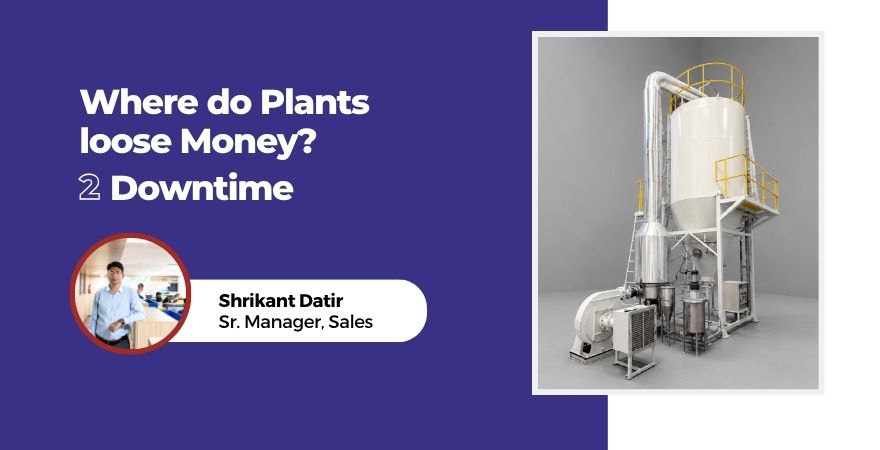
Downtime is one of the biggest hidden costs in spray
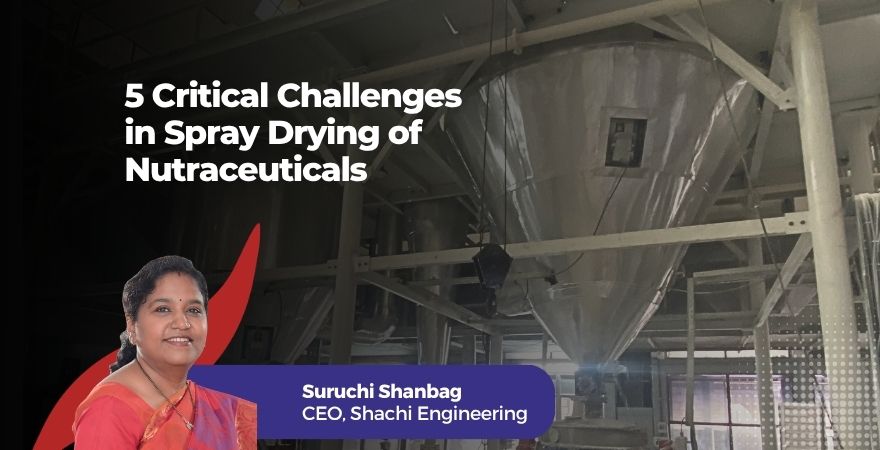
Nutraceuticals are made for human consumption. They include health supplements,